Registered participants are entitled to submit one abstract for poster or oral presentation.
The official language of the meeting is English.
Abstracts should be submitted via the the personal area. Please log in with the username and password provided during the registration process, and proceed to “Abstract Submission”. Please use the Microsoft Word abstract template provided below. The abstract should not exceed one A4 page. Do not change the format, size, etc.
REMEMBER: You must register before submitting the Abstract. Check Registration webpage.
The selection of oral presentations will be made by the Scientific Committee after evaluation of the submitted abstracts. The abstract file should be saved as: namesurnameposter.docx or namesurnameoral.docx (or .doc in both cases).
The deadline for the submission of poster/oral presentation abstracts is April 21, 2025.
Participants will be informed by e-mail of the acceptance of their contribution and the nature of their presentation by May 9, 2025.
Accepted abstracts will be published in the Book of Abstracts. Only abstracts of registered and paid participants will be included, so please make your payment in time.
Please ensure that your abstract does not contain any spelling or grammatical errors, as it will be reproduced as submitted.
During the submission process, you will need to select the symposium in which you would like to present your work:
Symposium A | Functional materials
A1: Materials for energy A2: Materials for the environment A3: Materials for healthcare applications A4: Materials for electronics A5: Materials for optical applications
Symposium B | Structural materials
B1: Ceramics, glasses and concrete B2: Metals and alloys B3: Composites and hybrid materials B4: Natural materials B5: Polymeric materials
Symposium C | Materials processing, characterization and modelling
C1: Processing technologies C2: Surfaces, Interfaces and Coatings C3: Materials in circular economy C4: Materials characterization and modeling C5: AI in materials characterization and modeling
ETH Zurich Wood Materials – Challenges and Potentials
MATERIAIS 2025, joining the XXII Congresso da Sociedade Portuguesa de Materiais, the XIII International Symposium on Materials, and the III Iberian Meeting on Materials Science, will take place in Lisbon, Portugal, July 1 to 3, 2025.
MATERIAIS 2025 offers a high quality scientific program, exploring the latest scientific and technological developments in Materials Science and Engineering, and related areas, and bridging different knowledge domains under the main topic of new approaches for Reshaping the Future.
MATERIAIS 2025 is an ideal forum for scientists, developers, engineers, and companies to share their latest achievements, cutting-edge solutions, and views in Materials Science and Engineering. The meeting will cover all areas of Materials, from Functional Materials, to Structural Materials and Materials Processing, Characterization and Modelling.
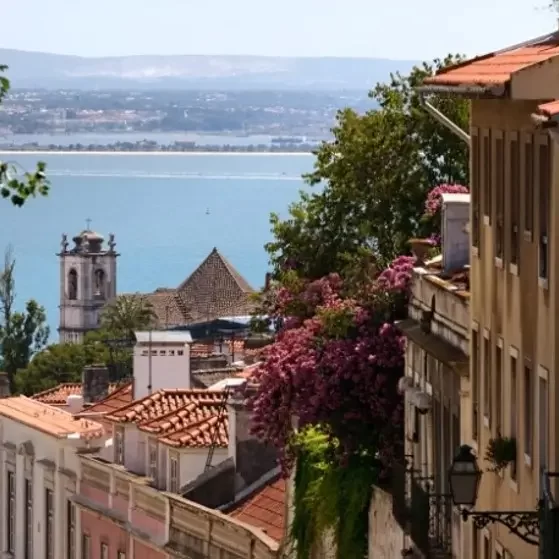
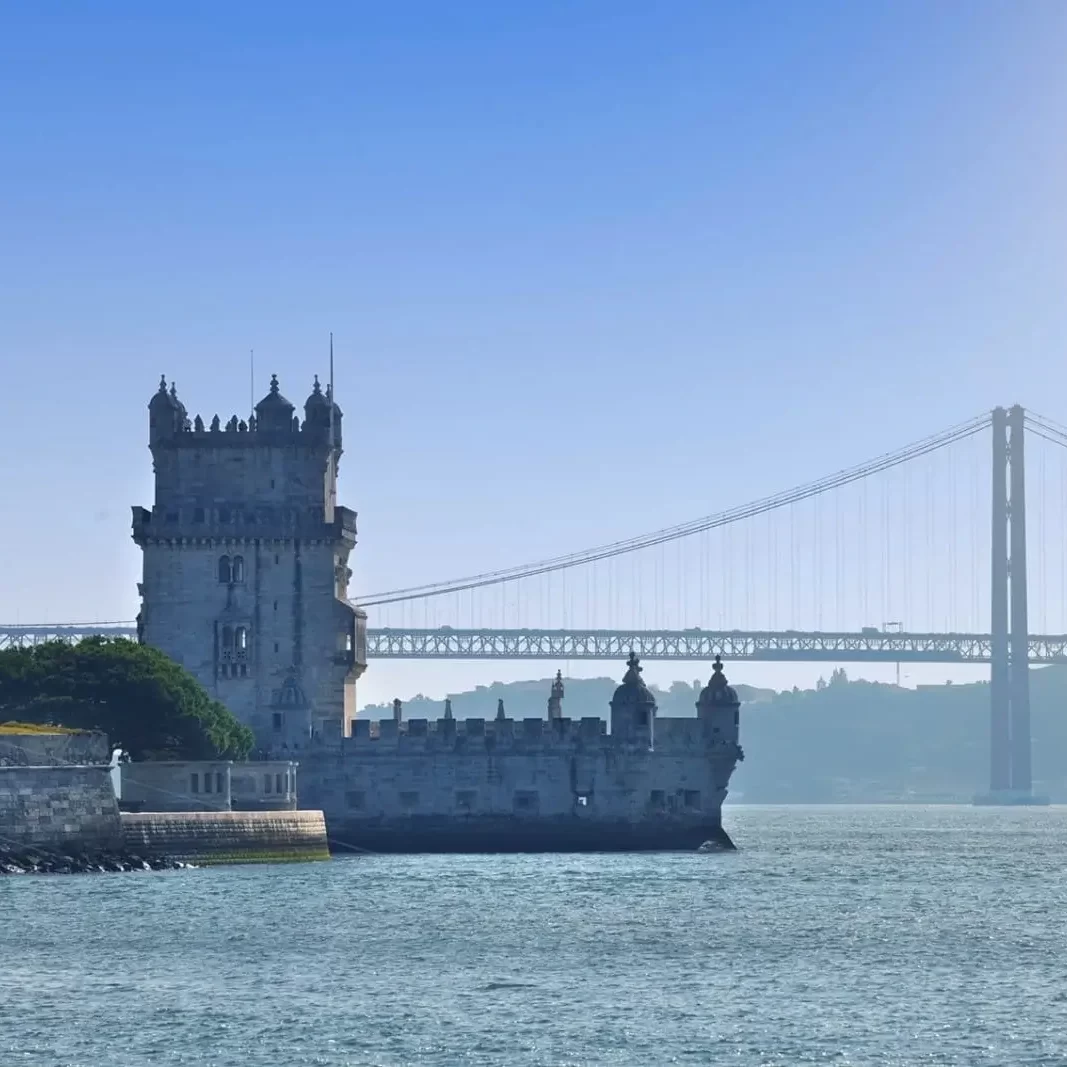
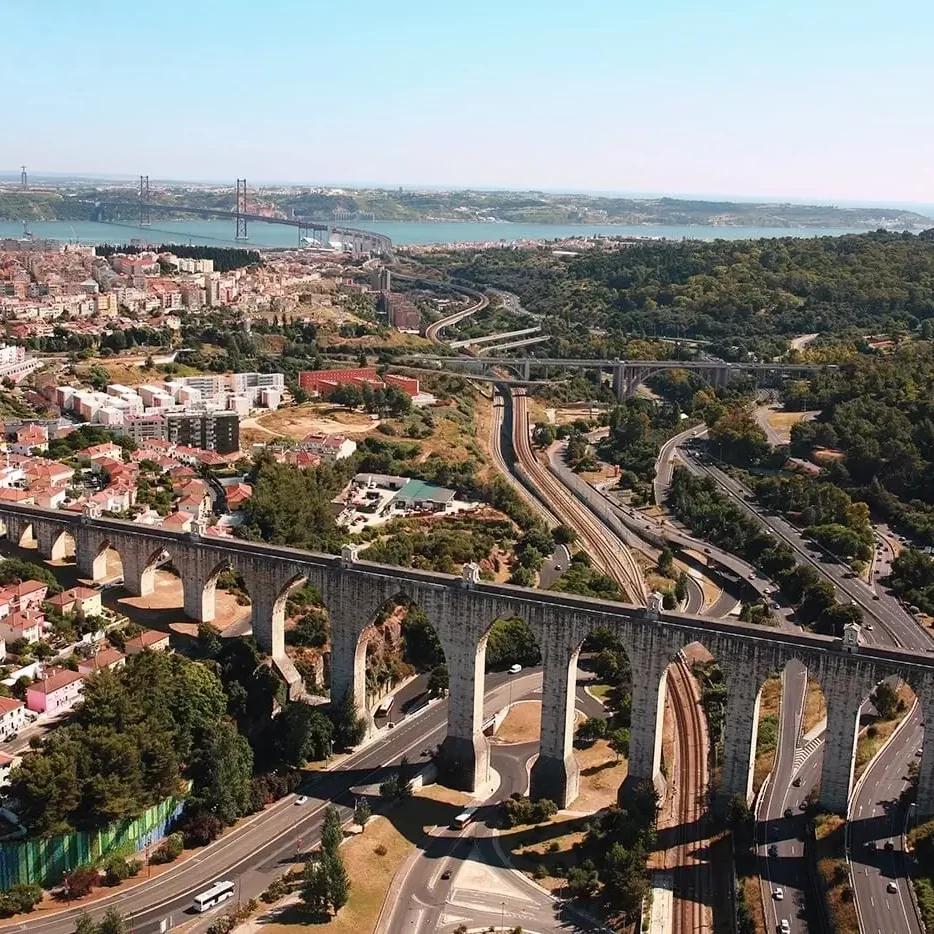
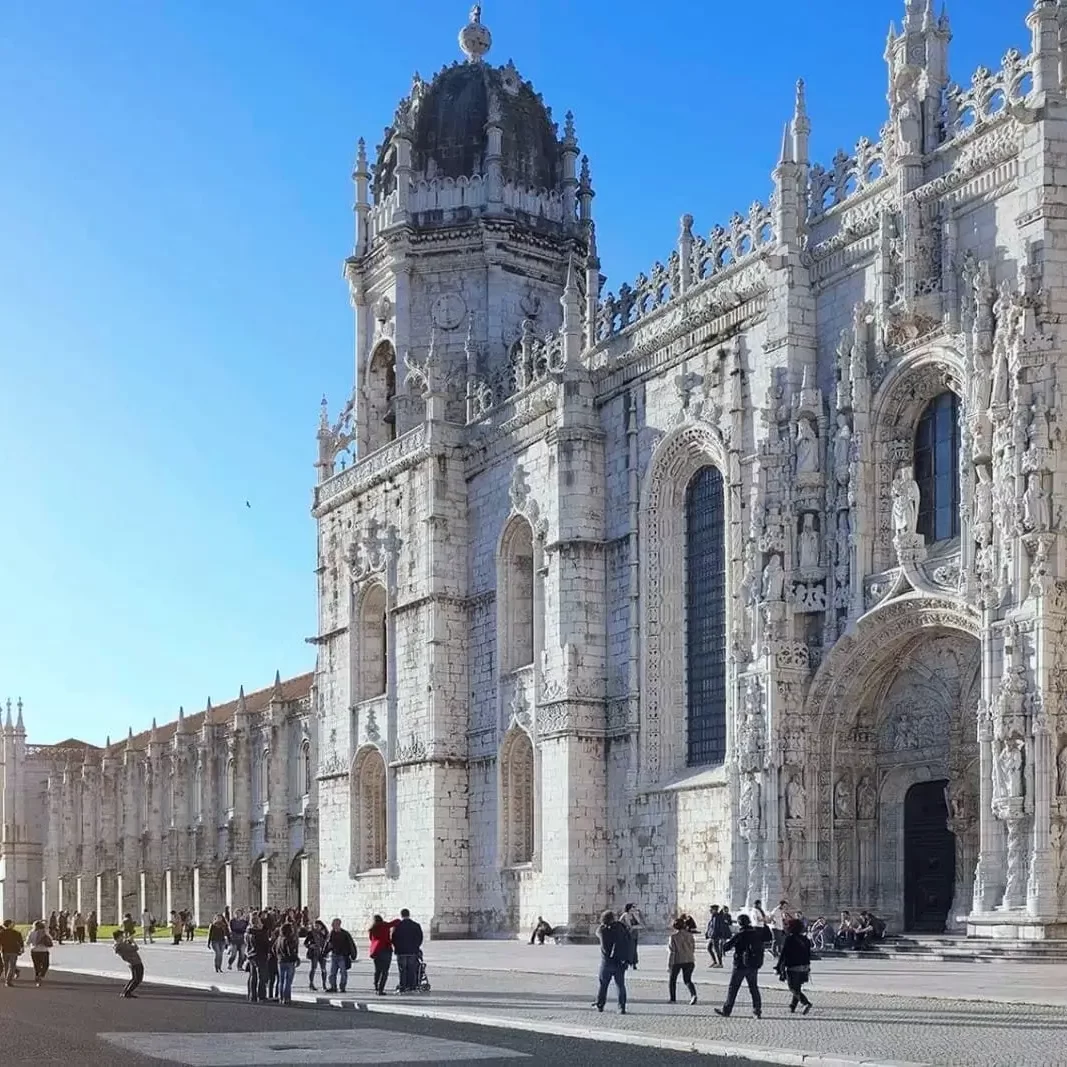
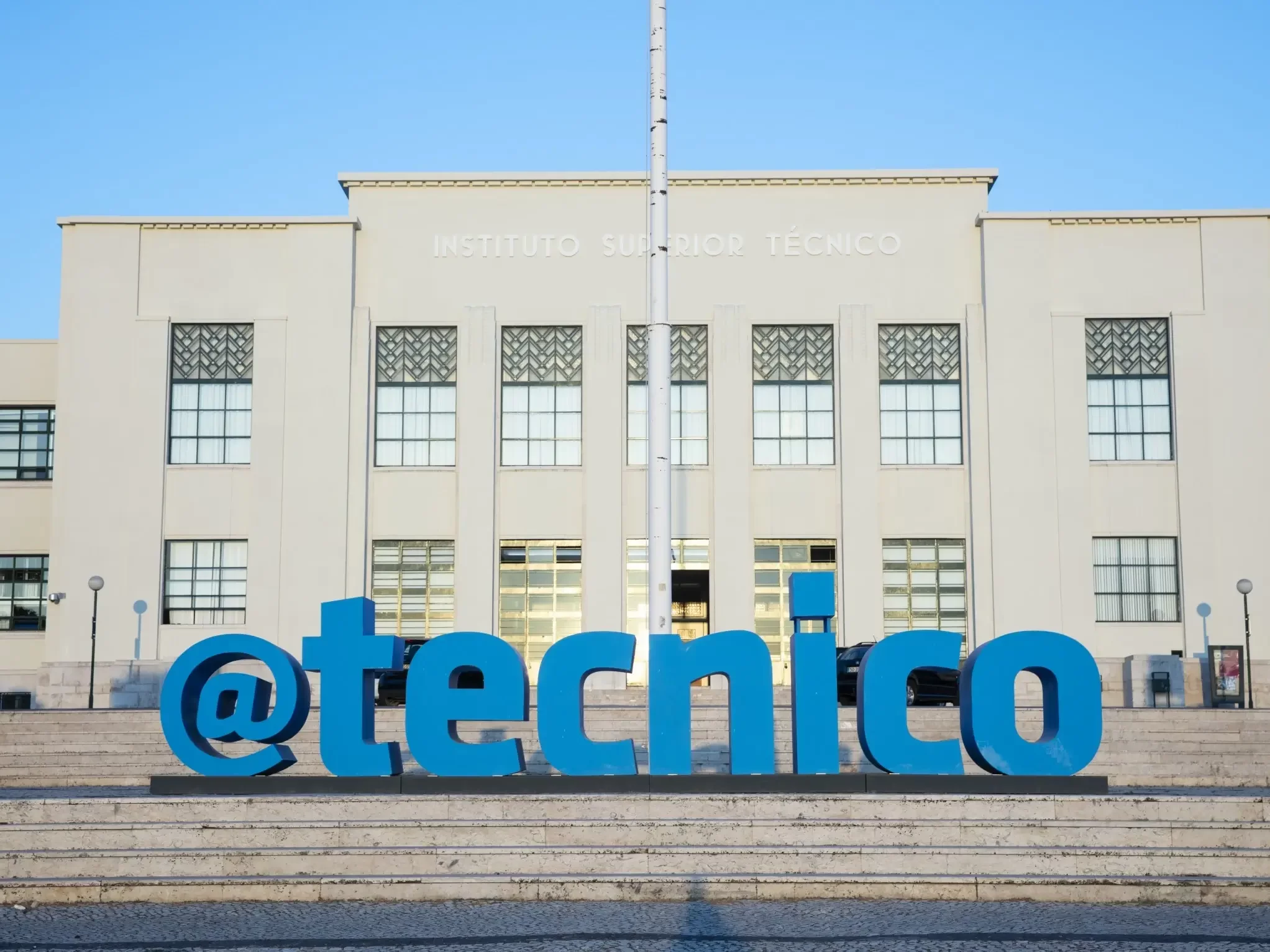
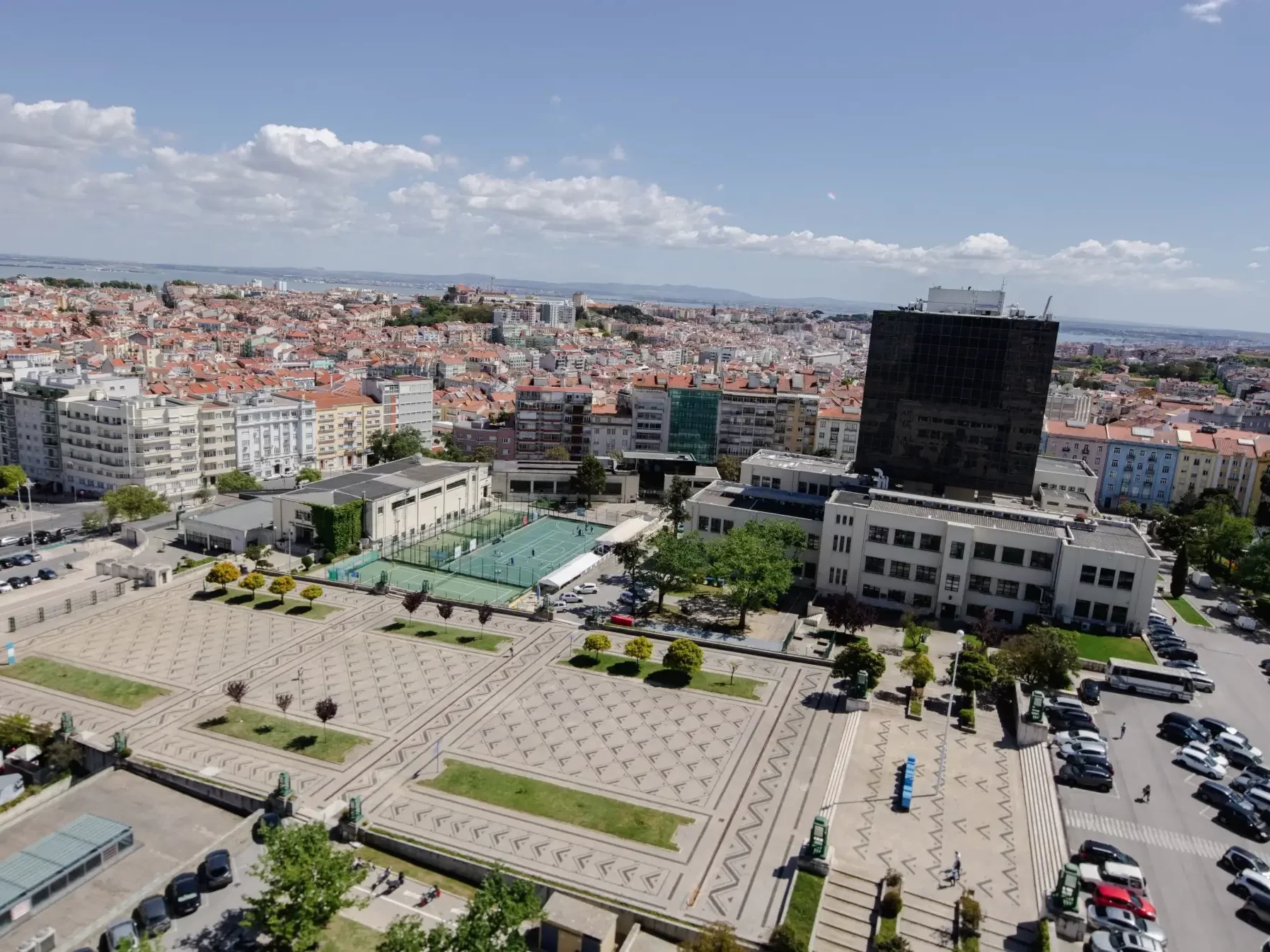
MATERIAIS 2025 will be hosted by Instituto Superior Técnico in the sunny city of Lisbon, the westernmost capital city of mainland Europe’s, and the only along the Atlantic coast. The history of the city is strongly connected to the sea, and is nowadays a potpourri of unusual character and charm, where over 800 years of cultural influences mingle with modern trends and lifestyles. It presents the perfect scenario to promote fruitful scientific discussions and foster ties within the Materials community.
MATERIAIS 2025 continues the long-standing and well established MATERIAIS conferences, organized every two years by the Portuguese Materials Society (SPM). It will be the twentieth-second National and the thirteenth International Materials Conference organized by SPM. In 2025 it returns to its origins, since the inaugural one was held in Lisbon in 1983. This edition is sponsored by our Spanish colleagues from SOCIEMAT (Sociedad Española de Materiales) in a joint organization of the III Iberian Meeting on Materials Science.
MATERIAIS 2025 will offer an outstanding technical and scientific program, with a graduate school, plenary and invited talks, and over 120 oral communications chosen from the submitted abstracts. Also, all participants are invited to submit poster communications that will be discussed in dedicated sessions. Prizes will be awarded to the best poster and oral presentations by PhD students.
During the meeting, SPM will award the SPM Career and Recognition Award (Prémio SPM de Carreira e Reconhecimento). The purpose of this award is to recognize, encourage and promote excellency of all activities regarding teaching, development, research, innovation and industrial production in the area of Materials in Portugal.
We expect MATERIAIS 2025 to bring together a large attendance, fostering the interaction to promote new collaborations and new ideas for Reshaping the Future!
We look forward to seeing you in Lisbon in July 2025
The oral communications are schedule for 15 minutes (including questions). Please, prepare your presentation accordingly (leaving time for questions).
Please make sure that you are available in the room allocated for your session at least 20 minutes before the session begins to be introduced to the session chair and ready for your presentation. All presentations must be preloaded onto the PCs at least 20 minutes before the relevant session.
Please bring your final presentation slides on a USB device to the conference.
Standard equipment will be provided for each oral presentation: PC with Windows, MS PowerPoint and a USB port connected to data (LCD) projector and screen; and a laser pointer.
It is recommended that you DO NOT use your own laptop to present your material, unless you intend to use alternative presentation software (i.e. not PowerPoint) or you will be presenting material prepared on a Mac. A Mac will not be provided as standard so please do bring your laptop along with all cables to connect it to the projector if you intend to use this software.
Poster Communications
Poster size is A0 – nominally 90 cm wide and 120 cm high, in portrait format (no landscape). Poster presenters are responsible for setting up (early morning of 1st July) and removing (before lunch 3rd July) their posters during the symposium. Fixing material will be provided by the organization.
After, for abstract submission and fee selection, you can access to your personal area.
Registration includes:
Access to all lectures, poster sessions, and exhibition stands.
Coffee breaks and lunches (participants with dietary requirements should inform the Organising Committee upon registration).
Abstract book and conference bag.
Social program (Reception on July 1 and Conference Dinner on July 2).
Free wireless access throughout the conference
Payment Information
Bank Transfer
Account Owner: Sociedade Portuguesa de Materiais Bank: Milleniumbcp IBAN: PT50 0033 0000 0001 4123 8655 0 BIC/SWIFT: BCOMPTPL Bank address: Av. Dr.José de Almeida nº3, 1000-042 Lisboa
Proforma Invoice
A proforma invoice can be downloaded from your personal area. First, choose the appropriate registration fee and add a billing address and VAT number (Billing and payment icon/menu). After confirming the billing address, a grey button (Proforma Invoice) will appear to download the document.
Cancellation and refund
For cancellations received before 31 May 2025, a €100 administration fee will be charged.
No refund will be made for any cancellation received after 31 May 2025.
Any request for a refund must be sent to materiais2025@tecnico.ulisboa.pt.
Refunds will be processed after the conference.
All bank charges associated with the transactions are the responsibility of the participant.
It is possible to cancel your registration in your personal area if you haven’t submitted an abstract or paid any fees.
BCMaterials – Basque Center for Materials Applications & Nanostructures
PhD School: “Natural Materials for Advanced Applications
Natural materials play a crucial role by offering sustainable, biodegradable, and high-performance alternatives to synthetic materials, or even inspiring new advanced materials, leveraging emerging technologies and applications across various fields, including electronics and energy.
The PhD School on “Natural Materials for Advanced Applications” brings together invited speakers who will share insights into different technologies, including sustainable lignocellulosic aerogels, bio-inspired structures, biomass-derived functional polymer composites, with a focus on lignocellulosic materials and their potential for advanced applications for a more sustainable future.
Location
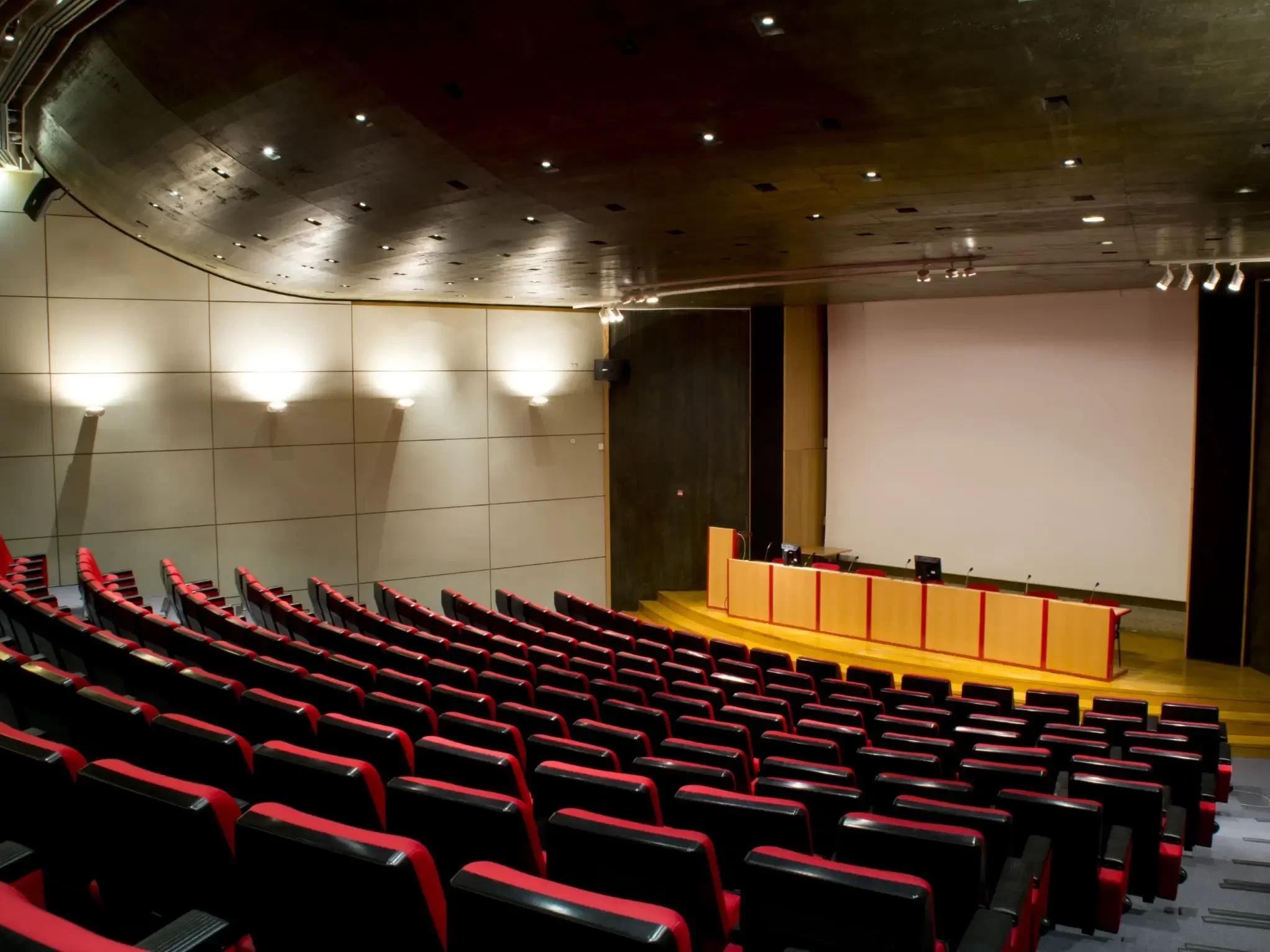
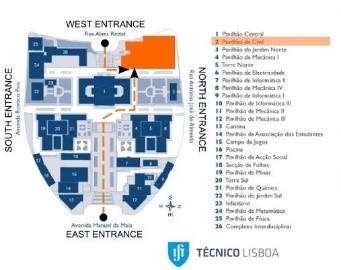
IST – Instituto Superior Técnico (Torre Sul, piso 1, Anfiteatro QA1.1)
Event organized in the frame of the project CELLECTIVE (PTDC/CTM-CTM/4653/2021) and project SMART-E (2022.04012.PTDC), funded by FCT – Portuguese Science and Technology Foundation.
Program
14:25 Welcome and open of the session
14:30 Professor Yuanyuan Li (KTH Royal Institute of Technology, Sweden) – New insights into sustainable lignocellulosic aerogels
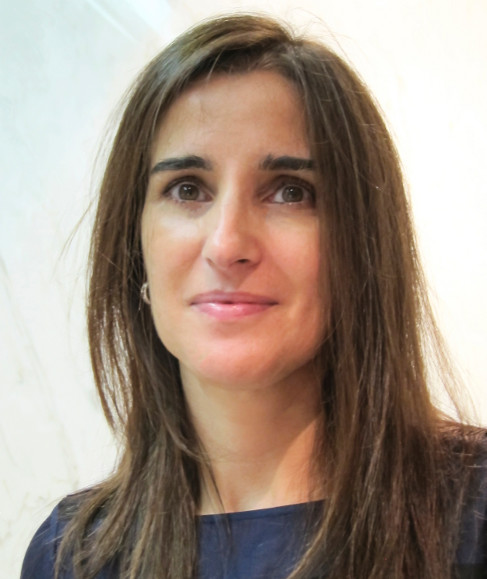
15:10 Professor Maria Helena Godinho (NOVA School of Science and Technology, Portugal) – Twisted cellulose-based structures
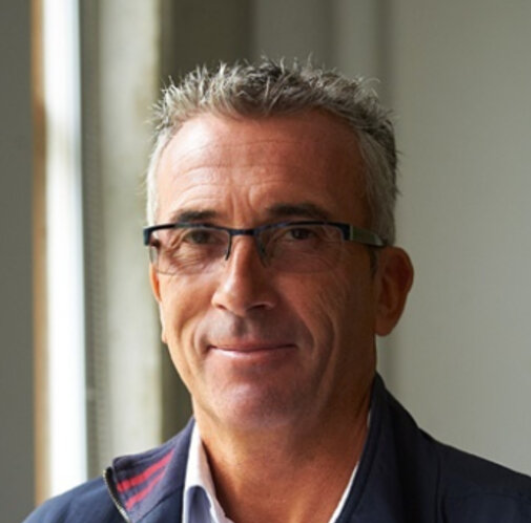
15:50 Dr. Gilberto Siqueira (Empa, Switzerland) – From biomass to functional polymer composites– the role of nanocellulose
16:30 – 16:50 Coffee break
16:50 Professor Federico Bella (Politecnico di Torino, Italy) – Materials and processes for sustainable batteries
17:30 Professor Benjamin Butz (University of Siegen, Germany) – TBD
18:10 Closing remarks
New insights into sustainable lignocellulosic aerogels
Yuanyuan Li, KTH Royal Institute of Technology, Sweden
With low density and high specific surface area, aerogels are attractive in various applications ranging from aerospace to thermal insulation and energy storage. The mechanical brittleness and sustainability requirements of mainstream SO2 aerogel drive the investigation of biomass-based aerogels.
Lignocellulosic materials are of increasing interest, given the carbon neutrality due to CO2 storage during biosynthesis and superior mechanical property of nanocellulose. Wood is one of the main sources of cellulose. Lignocellulosic aerogels are often obtained through a bottom-up approach, disintegrating wood into nano building blocks (e.g. nanocellulose) followed by reassembling into aerogels. The complex processing and high energy consumption are challenges. Top-down approach is an alternative by directly using wood while the nanostructured wood cell wall is in-situ modified. The step of nano building blocks extraction is eliminated which is beneficial for scalable fabrication.
In this context, wood aerogels, a highly nano porous structure with cellulosic nanofibril network filling the empty wood channels, are fabricated through cell wall partial dissolution and regeneration. The development of wood processing to achieve wood aerogels structures will be explained. The structure understanding of the aerogels will be presented. Relative applications benefit from the structural design will be demonstrated including thermal insulation and hydrovoltaic energy harvesting.
Short Bio
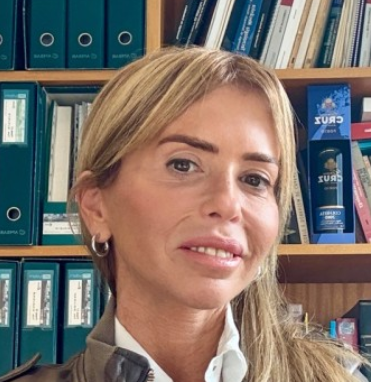
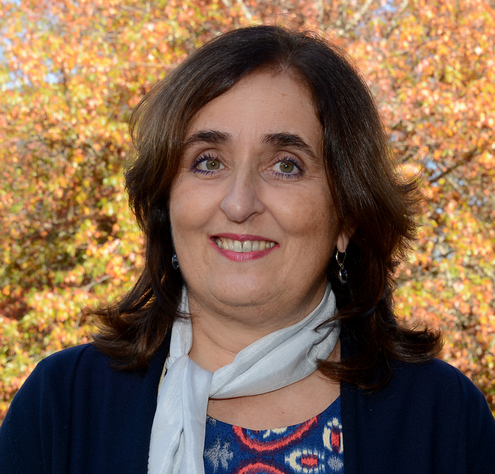
Yuanyuan Li, associate professor, head of Biocomposites division at KTH Royal Institute of Technology, Sweden and a PI in the Wallenberg Wood Science Center (WWSC) and Wallenberg Initiative Materials Science for Sustainability (WISE). She received her PhD degree in 2014 from Nanjing Forestry University. During her doctoral studies, she visited University of Maryland, USA. She moved to KTH as a postdoctoral fellow in 2015. Her group focuses on wood nanoscience and nanotechnologies development and applications, including transparent wood and wood aerogel. She received the EPNOE Junior Scientist Award in 2021, 2023 Gunnar Sundblad Foundation’s Competence Development Award, and 2023 ACS CELL division KINGFA Young Investigator Award.
Twisted cellulose-based structures
Maria Helena Godinho, NOVA Science of School and Technology, Portugal
Cellulose, the main structural component of plants, forms twisted architectures across scales—from molecular to macro. These structures contribute to vibrant coloration, mechanical strength, and movement [1, 2]. This seminar explores twisted forms in cellulose-based systems, focusing on cellulose nanocrystals, their interaction with water, and color generation under non-equilibrium conditions. Examples at the micro and millimetre scales, such as leaf petioles [3] and Erodium fruit awns [1, 2], illustrate diverse helicities and adaptive behaviours. The findings highlight opportunities in out-of-equilibrium systems and the potential of bioinspired materials with unique optical and mechanical functions.
[1] “Cellulose and chitin twisted structures: from nature to applications” Rafaela R. da Rosa, Susete N. Fernandes, Michel Mitov and Maria Helena Godinho, Advanced Functional Materials, 34 (35), 2470201 (2024).
[2] “Cellulose-based Biomimetics and Applications” Ana P. C. Almeida, João P. Canejo, Susete N. Fernandes, Coro Echeverria, Pedro L. Almeida and Maria H. Godinho, Advanced Materials, 30 (19), 1703655 (back cover) (2018).
[3] “Spotting plants’ microfilament morphologies and nanostructures” Ana P Almeida, João Canejo, Urban Mur, Simon Čopar, Pedro L Almeida, Slobodan Žumer, Maria Helena Godinho, Proceedings of the National Academy of Sciences U.S.A., PNAS, 116(27), 13188 (2019).
Short Bio
Maria Helena Godinho (Habilitation (DSc. Degree), PhD (Nato/Invotan fellow Laboratoire de Physique de la Matière Condensée at Nice University, France) Materials Science and Graduation, Chemical Engineering) is a full Professor in Materials Science and a Researcher at i3N/CENIMAT (Research Center of Materials Science) (from 2013-2019 Vice Director and Leader Group Soft and Biofunctional Materials) at School of Science and Technology, NOVA University of Lisbon. 2022 chair: 28th International Liquid Crystal Conference, ILCC2022, 640 participants, Lisbon, Portugal and 2011 chair: 6th International Liquid Crystal Elastomer Conference, 120 participants, Lisbon, Portugal. ERC Synergy Grant 2024 (Alcemist).
From biomass to functional polymer composites– the role of nanocellulose
Gilberto Siqueira, EMPA, Switzerland
The Cellulose & Wood Materials laboratory at Empa has over 20 years of experience in producing nanocelluloses (CNC and CNF) from a wide range of biomass sources, including wood, wheat straw, recycled newspaper, algae, bacterial cellulose, and food residues such as carrot, broccoli, apple peel, and brewery spent grains.
These nanocelluloses have been explored for applications in packaging, polymer reinforcement, biomedical scaffolds, and for the preparation of inks used in 3D printing of functional materials, such as sensors.
To enable 3D printing of nanocellulose-based composites, we have developed several strategies that allow the homogeneous dispersion of nanocelluloses into various polymer matrices, including polyhydroxyalkanoates, silicone, sodium alginate, hyaluronic acid, and pluronic, among others.
The ability to homogeneously disperse high concentrations of nanocellulose in these inks enables precise tuning of rheological properties and reinforces the printed structures without the need for additional rheological modifiers.
Among the functional materials developed by our group, we highlight the creation of a 3D printing platform for fabricating fully 3D-printed soft electronic devices, such as shoe insoles, for health monitoring. Additionally, we have encapsulated microalgae (e.g., diatoms and dinoflagellates) to develop engineered living materials for sensing water quality, as well as mechanoluminescent living objects for potential applications in soft robotics.
Short Bio
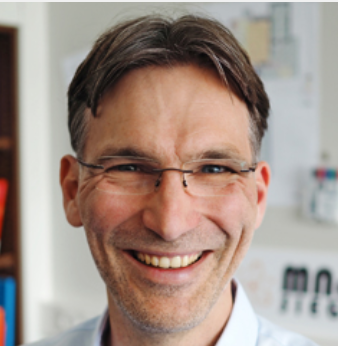
Dr. Gilberto Siqueira holds a PhD in Materials Science from Grenoble Institute of Technology (Grenoble INP-PAGORA), France, where he conducted his doctoral research under the supervision of Prof. Alain Dufresne and Prof. Julien Bras. His work focused on the production of nanocellulose materials and their use as reinforcing phases in polymer composites. In 2010–2011, he was a postdoctoral researcher at Luleå University of Technology, Sweden, in the Wood and Bionanocomposites group led by Prof. Kristiina Oksman. From 2011 to 2013, he worked as a senior scientist in the R&D department of Suzano Pulp and Paper, Brazil, developing scale-up processes for cellulose nanofibers.
Since 2013, Dr. Siqueira has been a senior scientist at Empa, the Swiss Federal Laboratories for Materials Science and Technology (Switzerland). In 2015, he started to collaborate with the Complex Materials Group led by Prof. André Studart at ETHZ, focusing on 3D printing of nanocellulose composites. That same year, he was also a visiting postdoctoral fellow at Harvard Medical School’s (Bioinspired Robotics Platform), working with Prof. Jennifer Lewis at the Wyss Institute for Biologically Inspired Engineering (USA). His research interests include advanced polymer composite materials from renewable resources, including 3D printing, biomass fractionation, chemical functionalization of natural polymers, and processing technologies for nanocellulose-based composites.
Materials and processes for sustainable batteries
Federico Bella, Department of Applied Science and Technology, Politecnico di Torino, Corso Duca degli Abruzzi 24, 10129 – Torino, Italy
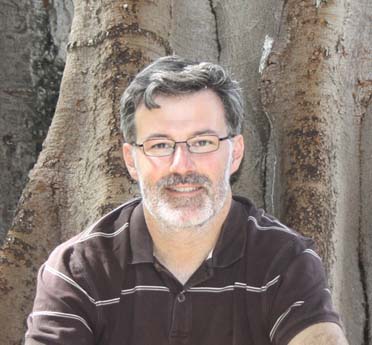
Federico Bella is Full Professor of Chemistry at Politecnico di Torino (Italy). His main scientific activity covers post-lithium batteries and electrochemical ammonia production, through sustainable chemistry-oriented and multivariate approaches. He has published more than 130 papers and counts a h-index of 75. He has received awards from the most important worldwide scientific associations, such as the International Society of Electrochemistry (2023 Tajima Prize), the Royal Society of Chemistry (2021 Horizon Prize), the Accademia Nazionale dei Lincei (2019 Piontelli International Award), etc. He is coordinating an ERC Starting Grant project (SuN 2 rise), with an overall fund of 1.5 M-eur, and has recently launched the first Italian research laboratory on potassium-based batteries.
Lithium-ion batteries (LIBs) are a key enabling technology for the electrification of transport and the transition to renewable energy systems. However, their large-scale production and end-of-life management raise significant environmental and social concerns. This lecture explores strategies to enhance the sustainability of LIBs across their life cycle, from raw material selection to recycling and second life.
We will begin by examining the environmental impact of critical materials such as cobalt, nickel, and lithium, and the need to develop alternative chemistries and components with lower environmental footprints. Particular attention will be given to the use of bio-based and biodegradable polymers, such as lignin and cellulose derivatives, for electrodes, binders, and separators—highlighting recent advances and their integration into scalable battery designs.
The session will also cover sustainable process innovations within gigafactories, including solvent-free electrode manufacturing, water-based formulations, and energy-efficient drying techniques. Finally, we will address circular economy approaches such as direct recycling, materials recovery, and repurposing of end-of-life cells in second-life applications.
Through case studies and recent research findings, participants will gain a comprehensive understanding of how materials science, green chemistry, and process engineering converge to enable next-generation sustainable energy storage solutions.
Short Bio
Federico Bella is Full Professor of Chemistry at Politecnico di Torino (Italy). His main scientific activity covers post-lithium batteries and electrochemical ammonia production, through sustainable chemistry-oriented and multivariate approaches. He has published more than 130 papers and counts a h-index of 75. He has received awards from the most important worldwide scientific associations, such as the International Society of Electrochemistry (2023 Tajima Prize), the Royal Society of Chemistry (2021 Horizon Prize), the Accademia Nazionale dei Lincei (2019 Piontelli International Award), etc. He is coordinating an ERC Starting Grant project (SuN 2 rise), with an overall fund of 1.5 M-eur, and has recently launched the first Italian research laboratory on potassium-based batteries.
Instituto Superior Técnico (Google Maps) is located in the city center, at convenient distance from numerous hotels, restaurants, and diverse cultural sites.
Instituto Superior Técnico is easily reached by subway (station “Alameda” – Red and Green lines; station “Saldanha” – Red and Yellow lines), bus, taxi, etc. Its directly connected to the airport by subway (station “Aeroporto”- Red line).